
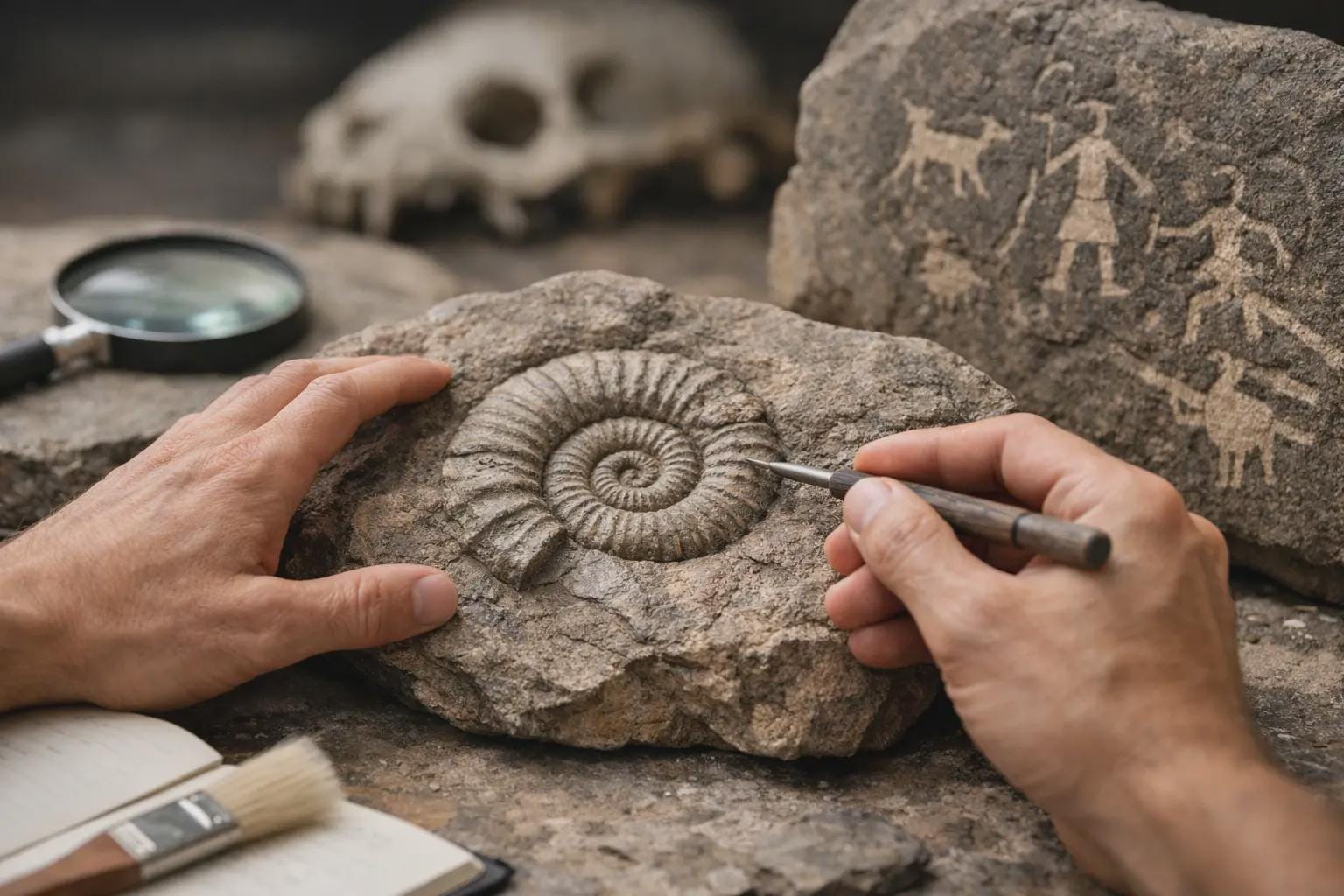
Kia ora - some stones catch your eye, but others seem to recognise you first. You pick one up at a market stall, on a rugged shoreline, or from a tray of carefully chosen crystals, and suddenly it feels less like an object and more like a meeting. That is the heart of stories in the stone (metaphysical & cultural) - the sense that certain pieces carry memory, symbolism, protection, and a kind of quiet companionship.For some, that story begins with energy. For others, it begins with ancestry, place, or a moment in life they want to hold close. Most often, it is both. A stone can be deeply personal without being purely private. It can connect a wearer to whenua, to family, to travel, to grief, to love, or to the version of themselves they are still becoming.
What stories in the stone really means
When people speak about a stone having a story, they do not always mean a fantasy attached after the fact. Often, they are talking about layers of meaning that build naturally. There is the geological story - pressure, heat, time, mineral change. There is the human story - where it was found, who shaped it, who gave it, who wore it. Then there is the metaphysical story, where people experience stones as carrying certain qualities such as grounding, clarity, courage, gentleness, or protection.None of those layers has to cancel the others out. A stone does not become less culturally meaningful because someone also feels spiritually held by it. In the same way, a crystal does not lose its beauty if the wearer simply loves its colour and texture. Meaning can be practical, emotional, spiritual, and aesthetic all at once.That is why stones so often become Taonga rather than accessories. They stay with us through seasons. They mark thresholds. They absorb significance because we return to them again and again.
The cultural roots beneath the surface
Across the world, stones have always carried cultural weight. They have been used in ritual, burial, trade, adornment, healing traditions, and storytelling. Long before modern crystal trends, people were assigning value to particular stones not just because they were rare, but because they represented kinship, status, guardianship, mourning, or sacred connection.Here in the spirit of Aotearoa, that understanding feels especially alive. Pounamu, for example, is never just decorative. It holds mana, whakapapa, memory, and deep cultural significance. It can symbolise strength, protection, responsibility, and connection between generations. That does not mean every stone holds the same place or should be treated in the same way. It does mean respect matters.This is where a gentler, more thoughtful approach is needed. Not every stone should be reduced to a quick sales tag or a neat one-line meaning. Cultural significance cannot be flattened into trend language. If a stone comes from a living tradition, it deserves context, care, and humility.
Metaphysical meaning is personal, not mechanical
The metaphysical side of stories in the stone often gets oversimplified too. You will see broad claims everywhere - rose quartz for love, amethyst for calm, jasper for grounding, labradorite for intuition. These associations can be useful starting points, but they are not a rigid formula.A person might wear jasper because they need steadiness after upheaval. Another might be drawn to it because it reminds them of the red earth from home. Someone else may feel nothing at all from jasper, yet have an instant bond with smoky quartz or moonstone. This is why intuition matters.Metaphysical connection tends to be relational. It grows through touch, ritual, memory, and repeated wear. A crystal chosen during heartbreak may become a symbol of survival. A pendant worn on a solo journey may carry courage because of what happened while it was with you. In that sense, energy is not always something you buy ready-made. Sometimes it is something you build in relationship with the stone.
Stories in the stone (metaphysical & cultural) are often intertwined
The strongest connections usually do not sit neatly in one category. A stone can be chosen for its traditional symbolism, gifted for a life event, and then slowly gather metaphysical meaning through the wearer’s own experience. That is where stories in the stone (metaphysical & cultural) become most alive - not as separate boxes, but as threads woven together.Think of a piece gifted before travel. Culturally, gifting jewellery can mark protection, love, and safe return. Metaphysically, the chosen stone may be associated with grounding or courage. Emotionally, it becomes the thing touched in airport queues, long bus rides, and moments of homesickness. Years later, the stone does not just represent travel. It holds it.The same happens with grief pieces, commitment pieces, and stones chosen during personal change. Their meanings deepen because life happens around them.
Why handmade pieces hold stronger narrative weight
There is a difference between buying a polished stone in bulk and choosing a handcrafted piece made with intention. The first can still be lovely. But the second often carries a more distinct sense of relationship. When an artisan listens to the shape of the stone, honours its natural lines, and creates around it rather than forcing it into a mould, the final piece feels less manufactured and more revealed.That matters for people who want their jewellery to feel like an anchor rather than an add-on. A handmade setting can preserve the raw character of a crystal or cabochon. It can let asymmetry speak. It can make the piece feel as though it belongs to the stone, not the other way around.At The Enchanted Gem Grotto, that sense of intentional artistry sits at the centre of what makes a piece feel personal. Not polished for sameness, but shaped with care so the story already within the stone has room to breathe.
Choosing a stone with meaning
If you are choosing for yourself, begin with the most honest question - what am I carrying right now, and what do I want to carry differently? You may be craving softness, clearer boundaries, steadiness, hope, or a reminder of home. Start there rather than chasing the most fashionable crystal.Then notice your response. Which stone keeps drawing you back? Which one feels calming in your hand? Which one makes you pause? There is no shame in also loving a stone simply because it is beautiful. Beauty is often part of the connection.If you are choosing as a gift, think about the recipient’s season of life. A grounding stone may suit someone rebuilding. A luminous, open-hearted stone may suit a new chapter. A protective piece may feel right for travel, parenthood, recovery, or major change. Gifts become more meaningful when they reflect who someone is, not just what is trending.
A note on respect, ethics, and spiritual honesty
Not every stone story belongs to everyone in the same way. Some carry sacred cultural meanings that should not be borrowed carelessly. Some sourcing practices are questionable. Some metaphysical claims are too absolute. A thoughtful relationship with stones asks us to slow down.That means asking where a stone comes from, how it is spoken about, and whether its meaning is being honoured or merely marketed. It also means allowing room for mystery. You do not need to prove a stone’s energy in order to value it. You also do not need to force a spiritual experience if what you feel is simply comfort, beauty, or affection.Often, the truest story is the quiet one. The pendant you reach for on hard days. The crystal you keep near the bed after a loss. The stone that reminds you of salt air, open roads, and the feeling that you are still finding your way.That is enough.The most meaningful stones are rarely the loudest. They are the ones that keep company with your life, gathering significance as you go. If a piece feels like it belongs with you, listen gently. Sometimes the story in the stone is not asking to be explained. It is asking to be carried.